
3 min read · 4 sections
Match the bottle and closure first
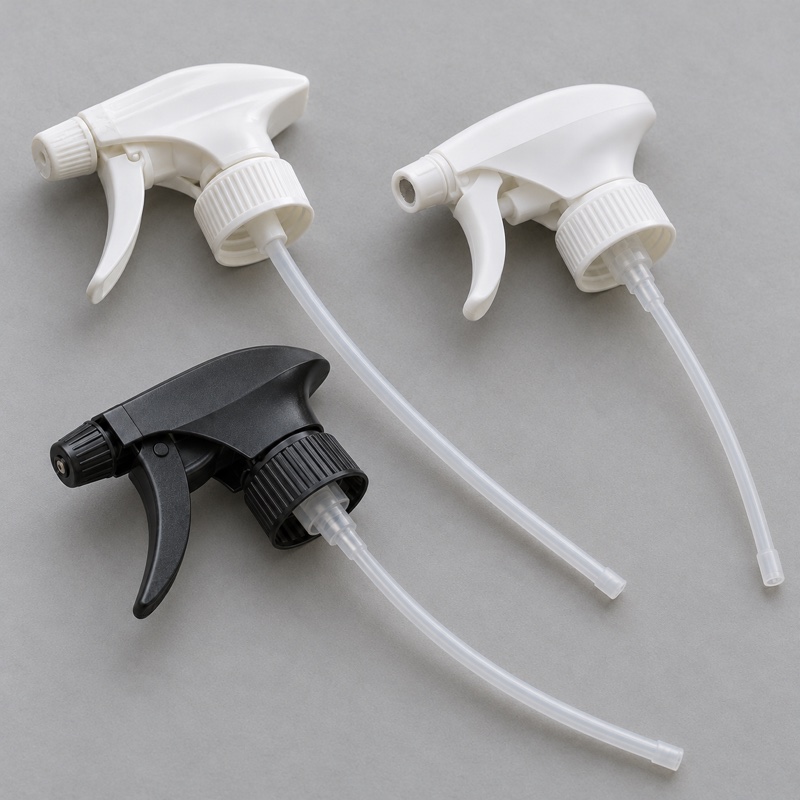
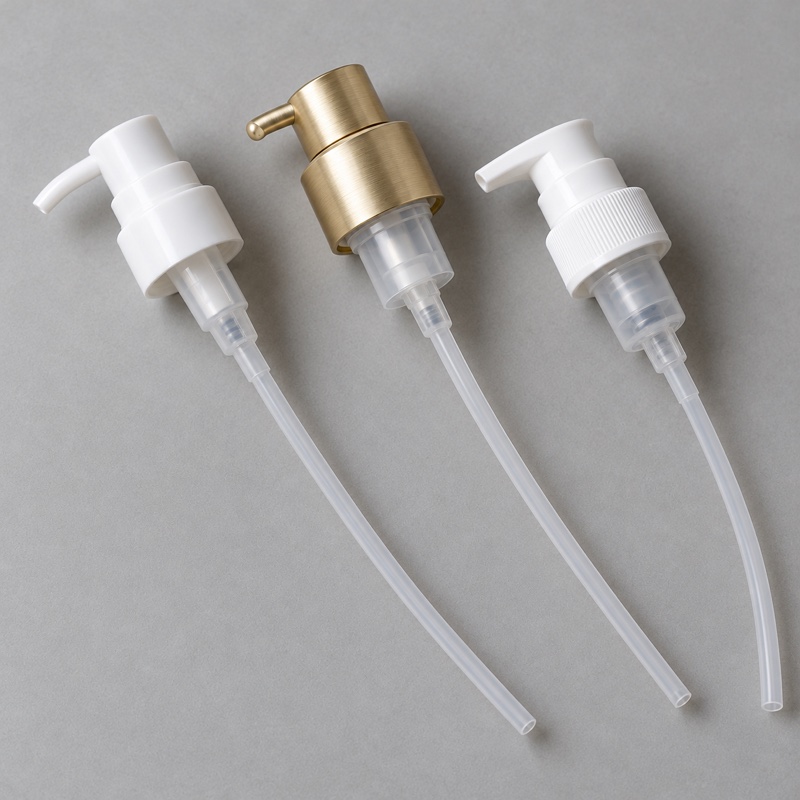
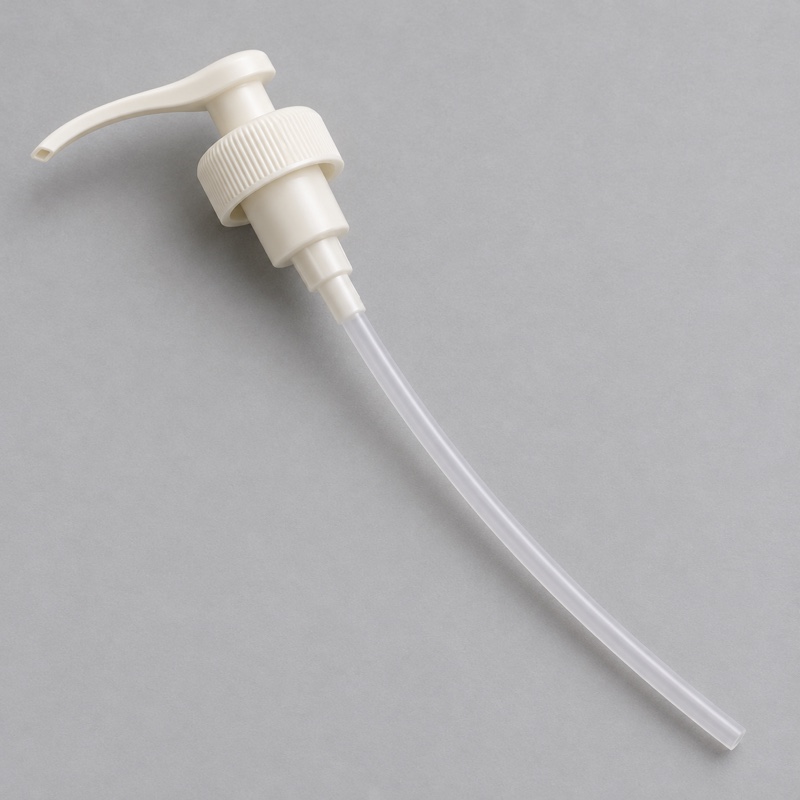
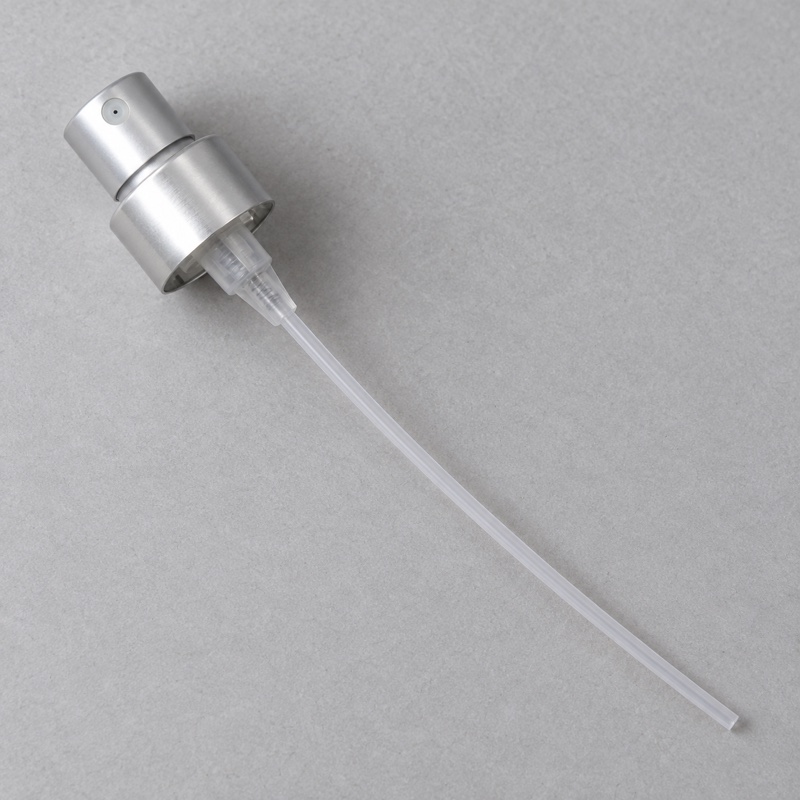
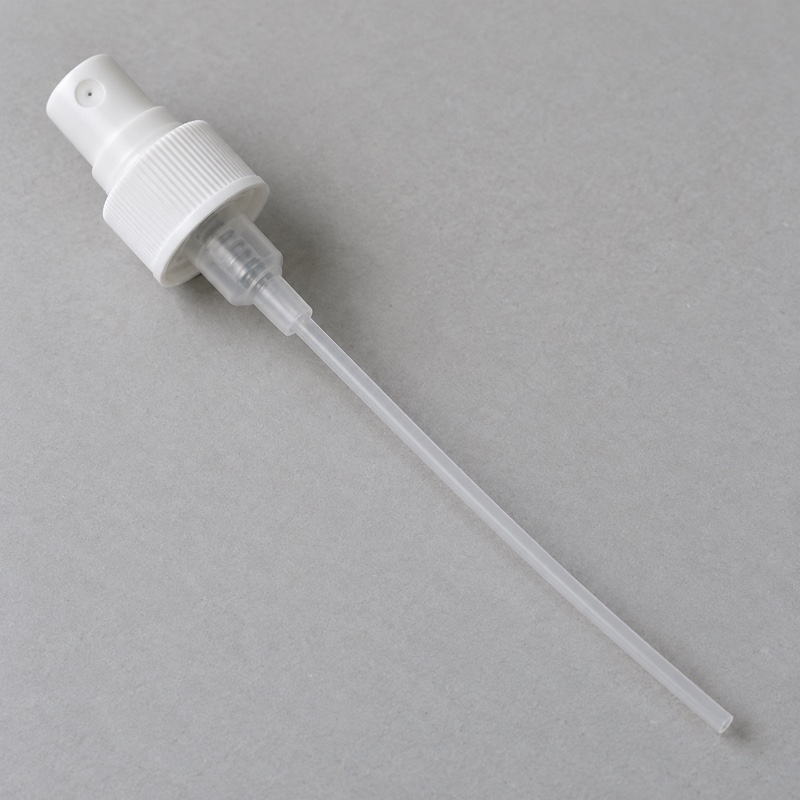
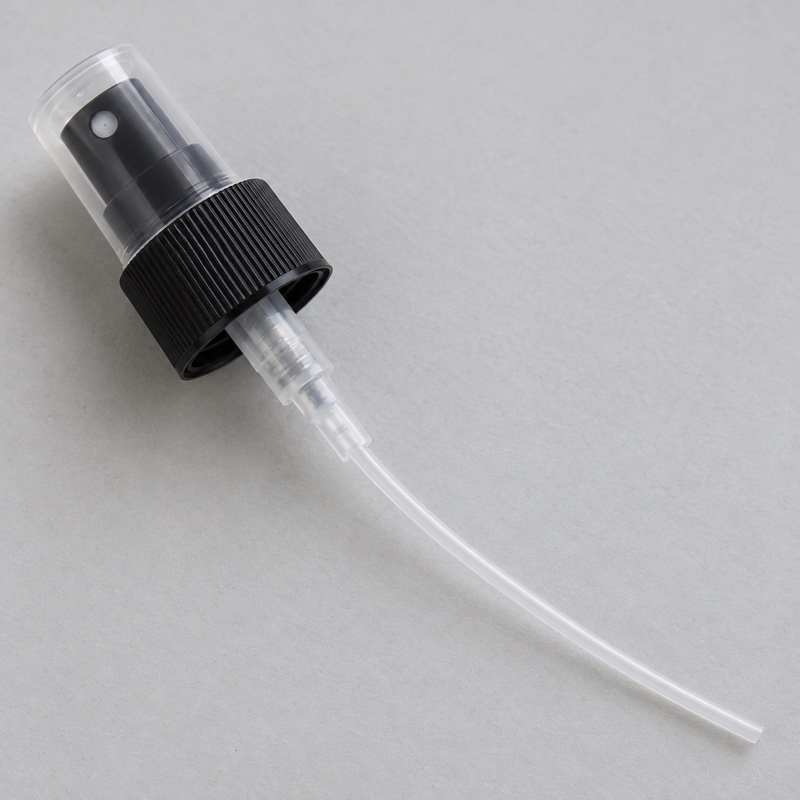
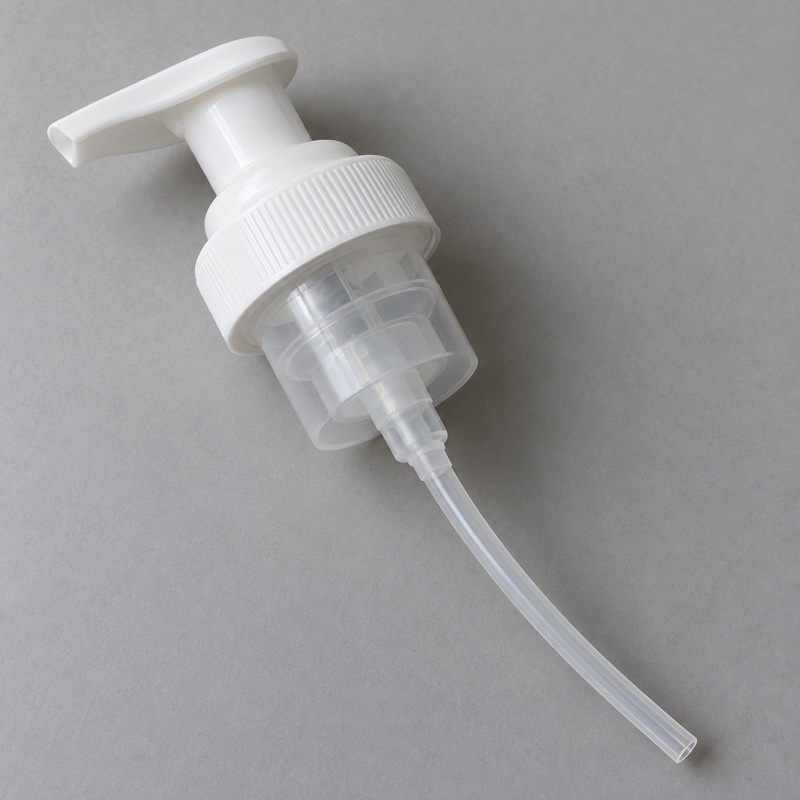
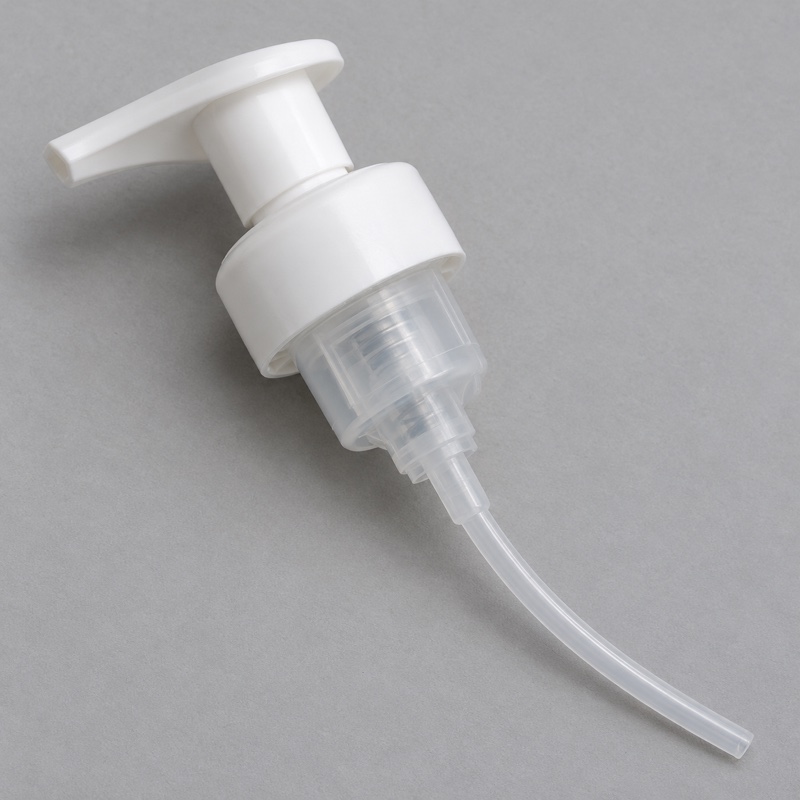
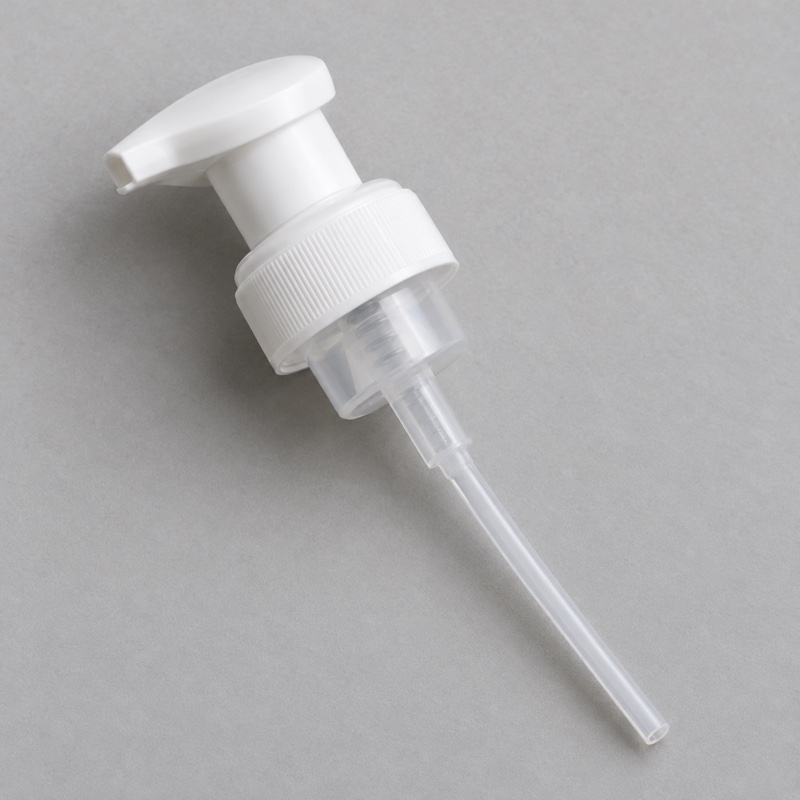
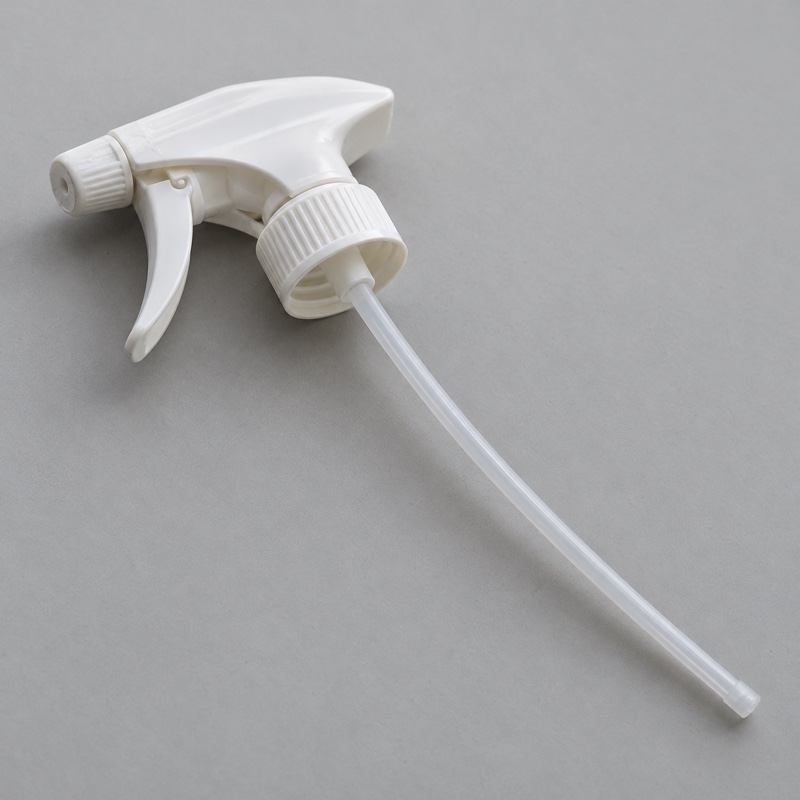
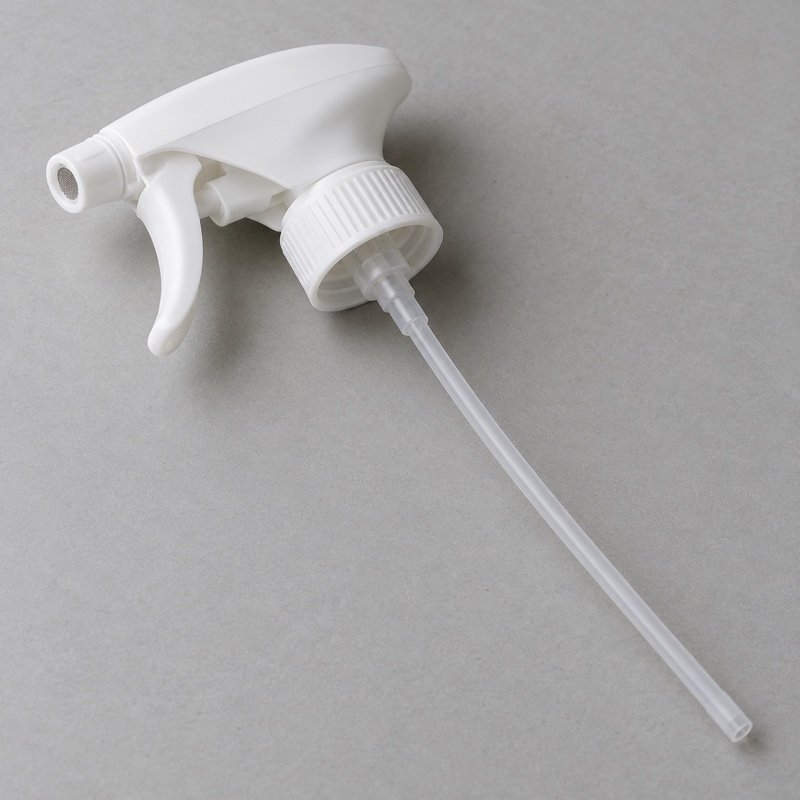
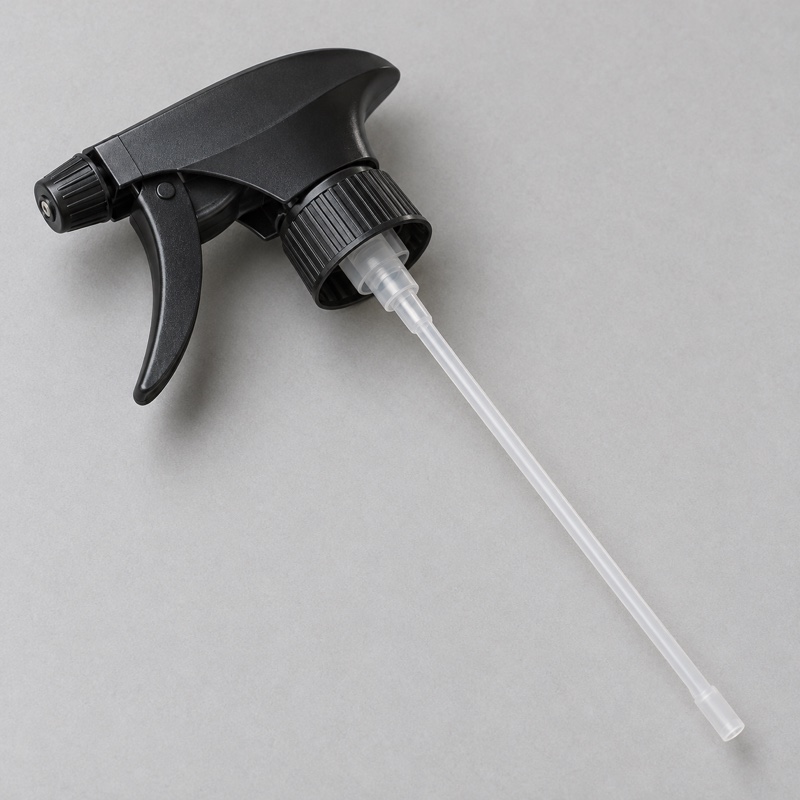
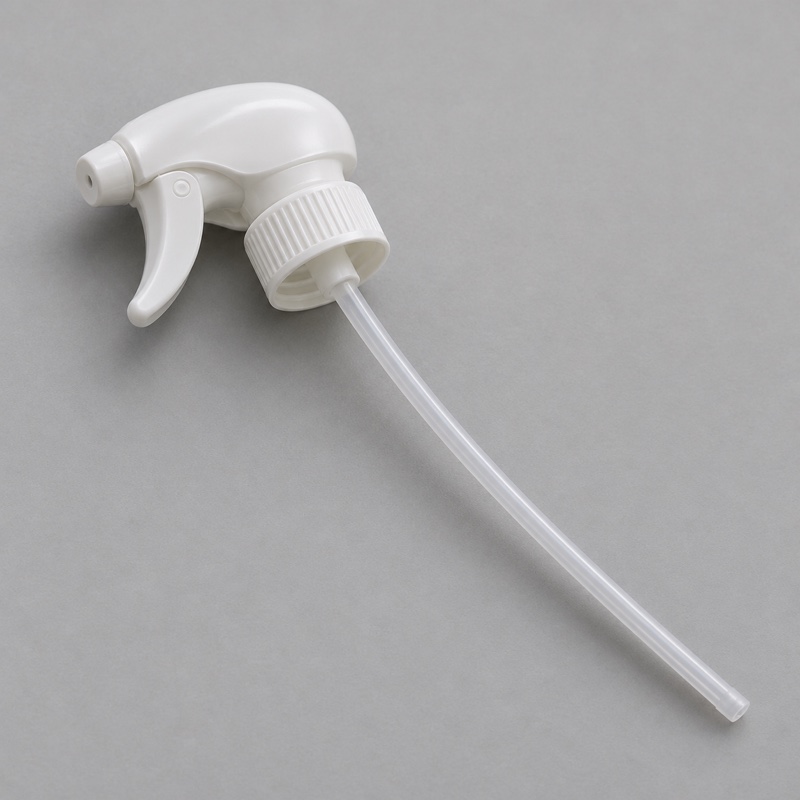
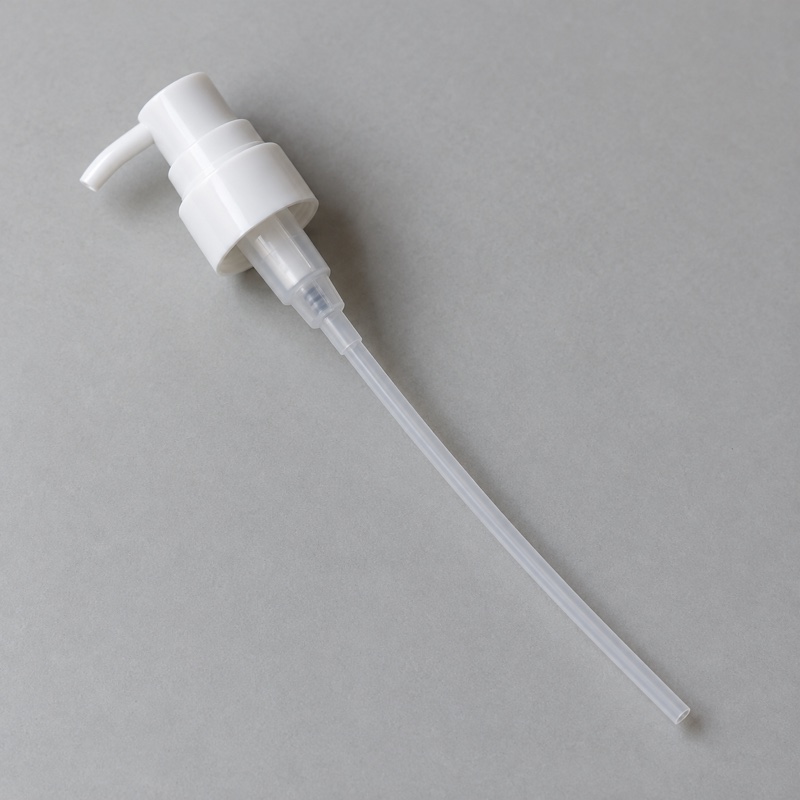
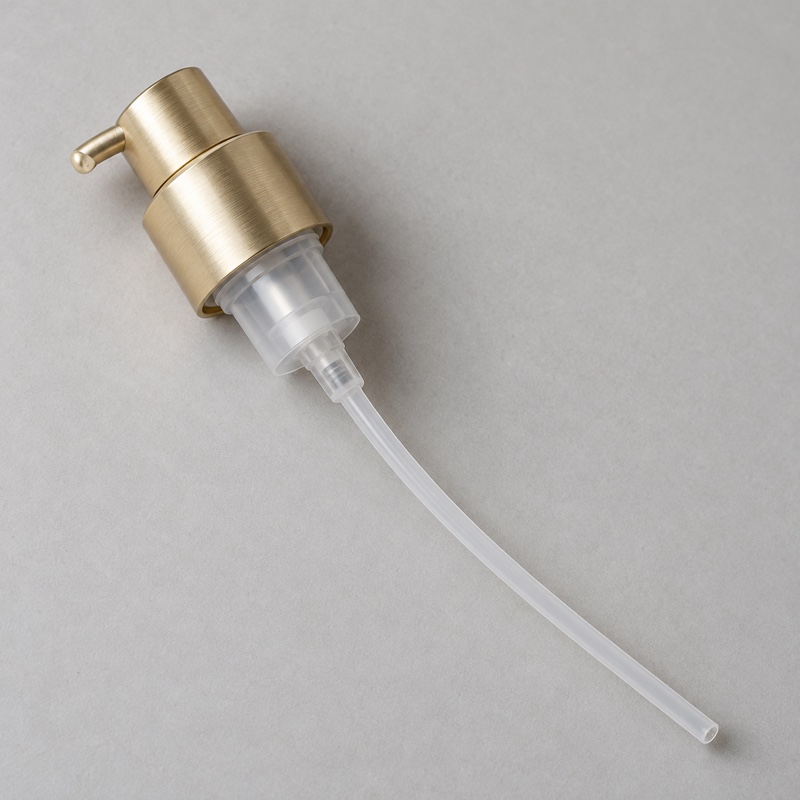
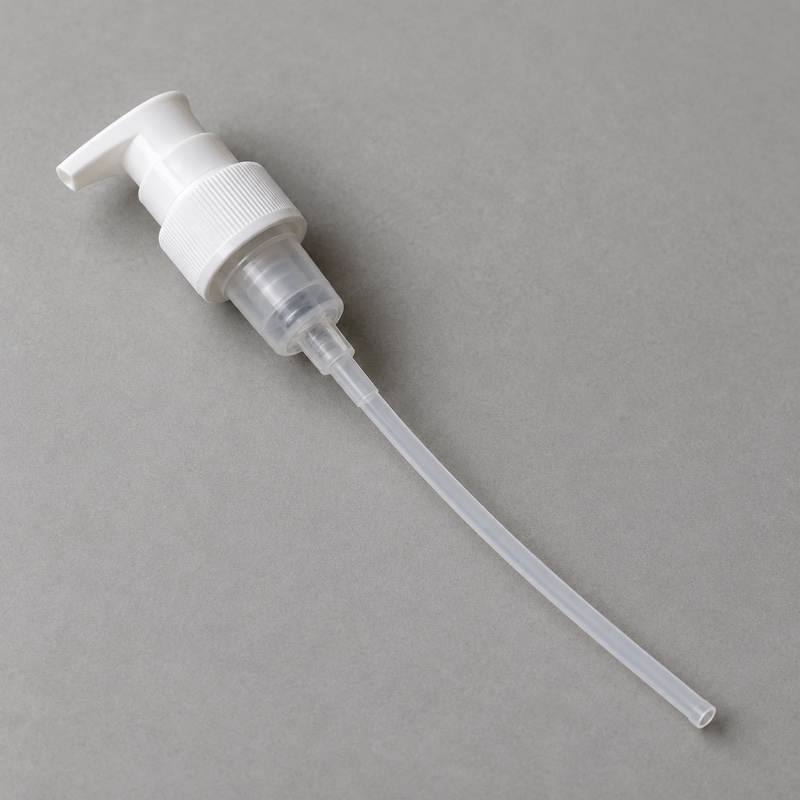
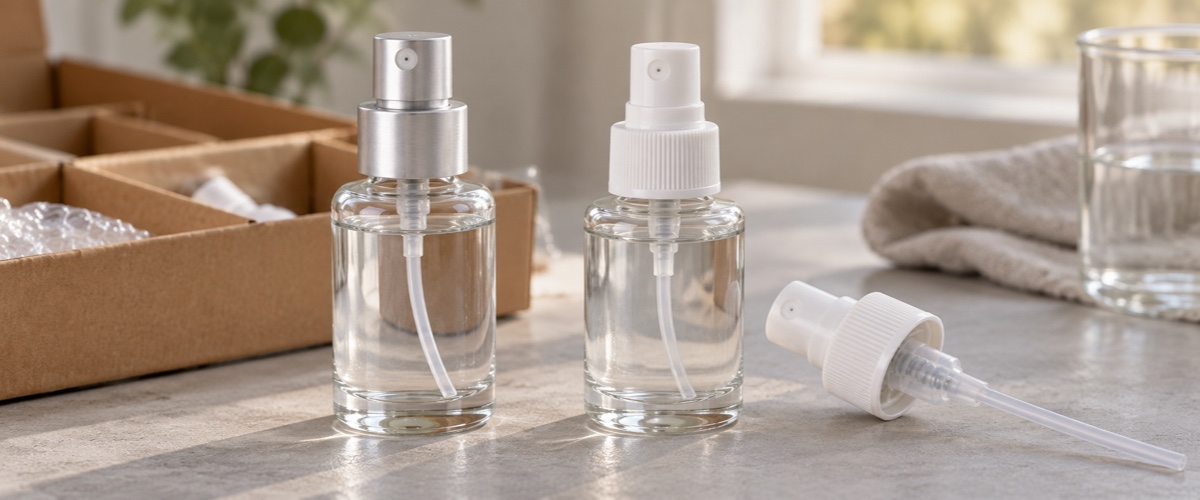
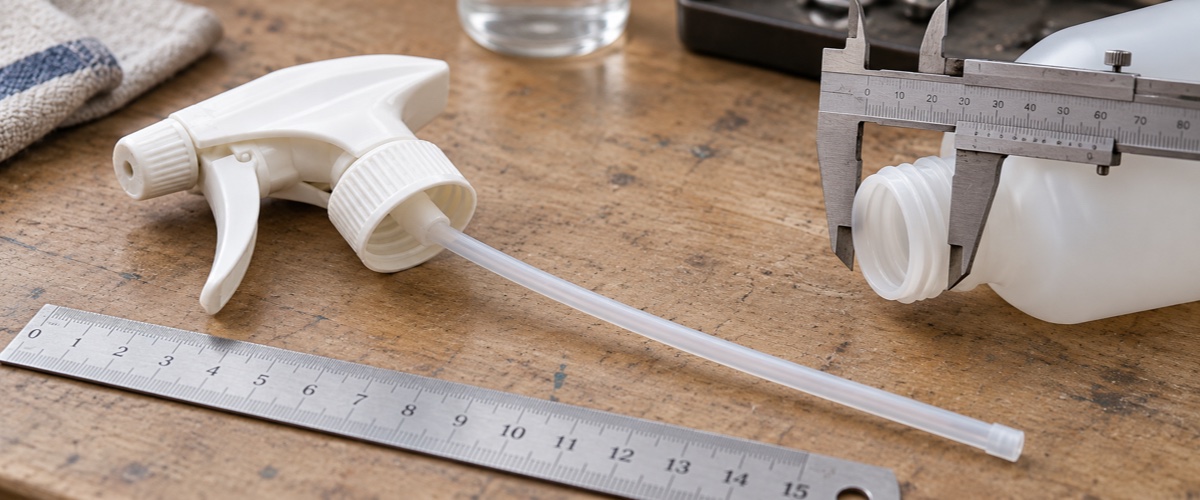
Record the complete neck finish, bottle drawing and intended dip-tube position. The listed trigger range includes 28/400 and 28/410 options, but a shared nominal diameter does not establish compatibility. Select the actual closure configuration for the bottle.
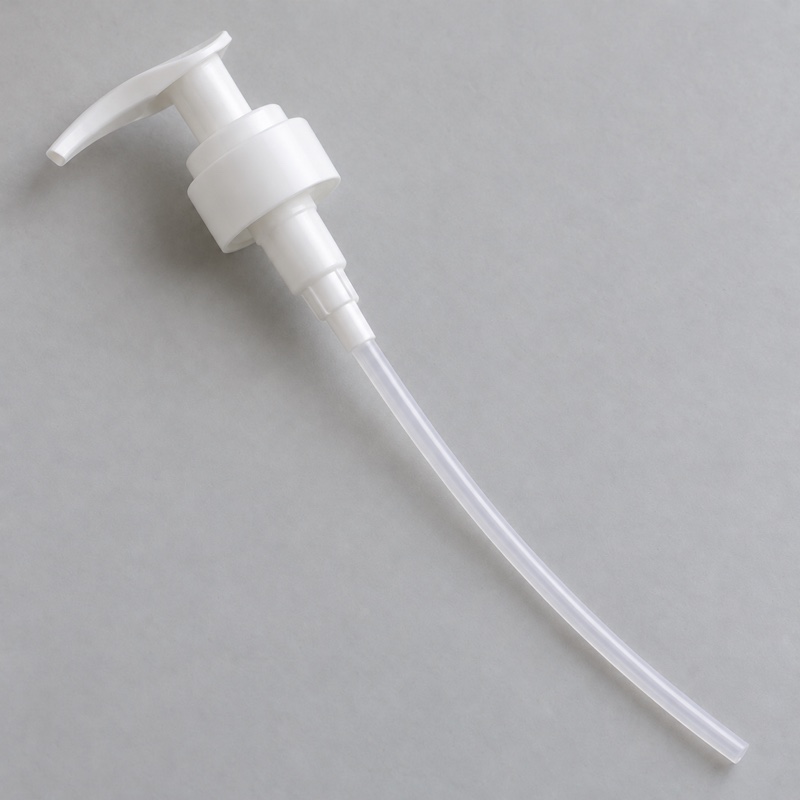
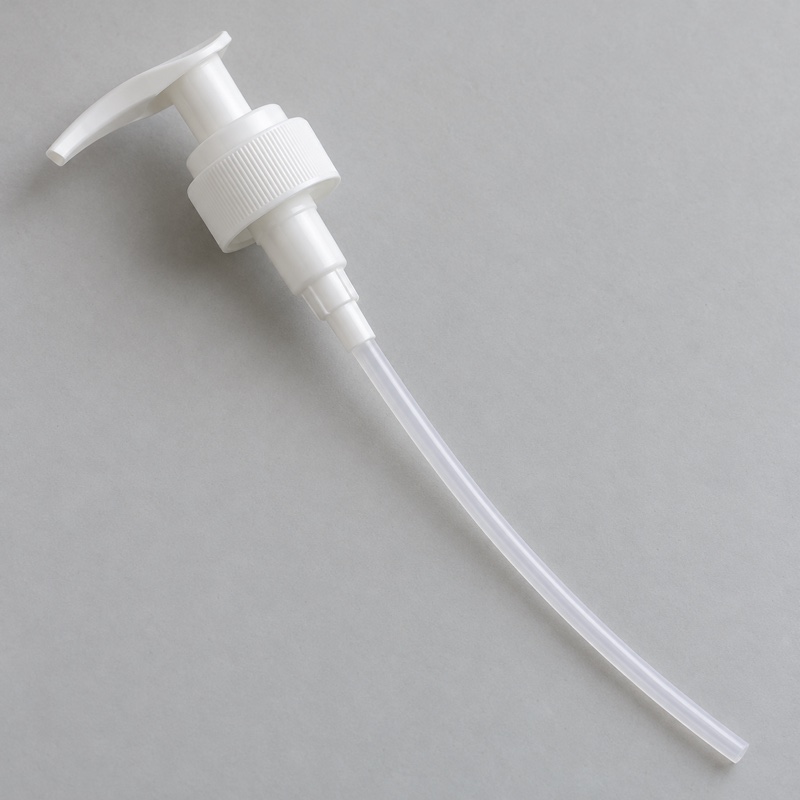
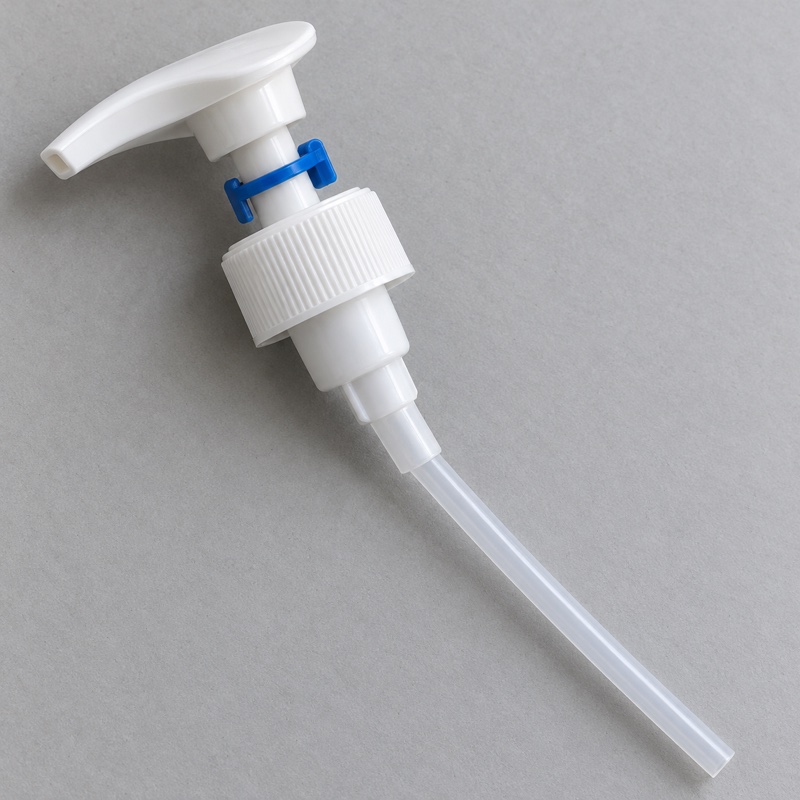
Check trigger clearance and comfortable handling with a filled bottle. Read the neck and dip-tube guide before specifying the tube length.
Describe the required nozzle behavior
| Mode | Question to resolve with samples |
|---|---|
| Spray | Does the pattern cover the intended area with your liquid? |
| Stream | Is the directed output appropriate at the intended distance? |
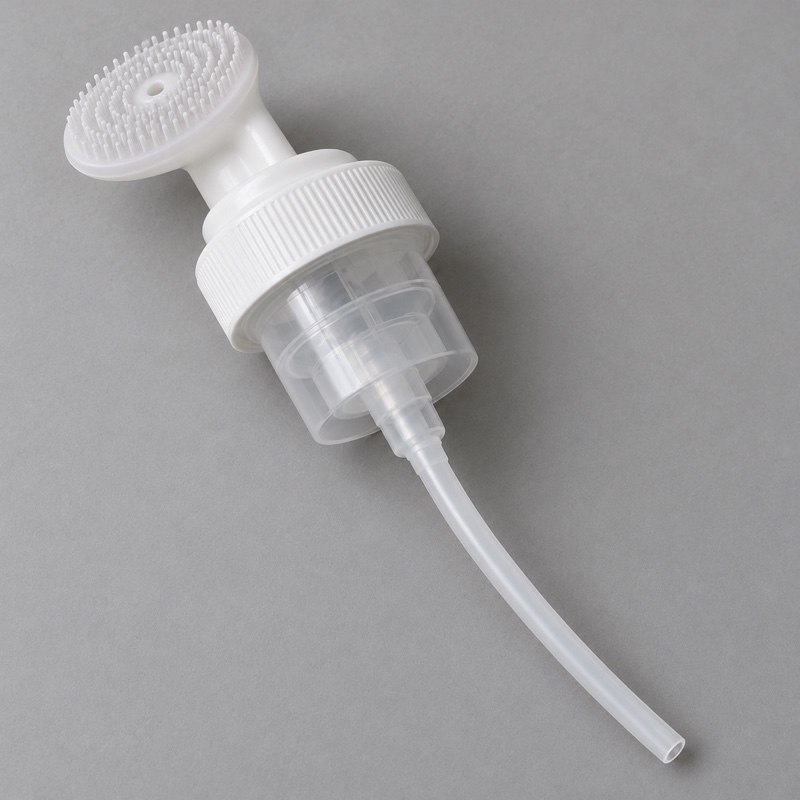
| Foam | Does your formula produce the required foam with this nozzle? |
| Off | Does the closed assembly meet the agreed handling and transport checks? |
Confirm compatibility for the actual formula
“Chemical-resistant” is a description to investigate, not a blanket approval. Compatibility depends on the liquid, its concentration, the wetted components and the intended conditions. Give the supplier enough formulation information to evaluate the assembly.
Request relevant material details and agree sample testing. Do not infer suitability for disinfectants, solvents or other demanding liquids from appearance or a product name.
Prepare a quotation and sample checklist
- Bottle drawing, complete neck code and dip-tube reference.
- Formula type and suitable technical information.
- Required nozzle modes and target output.
- Quantity, color, packaging requirements and delivery country.
- Agreed sample evaluation and acceptance criteria.
Compare the standard trigger, foam trigger and chemical-resistant trigger. Request a sample before confirming a production order.
Need help choosing?
Send your formula, target size and quantity. We will recommend options and send samples.
Ask our team